
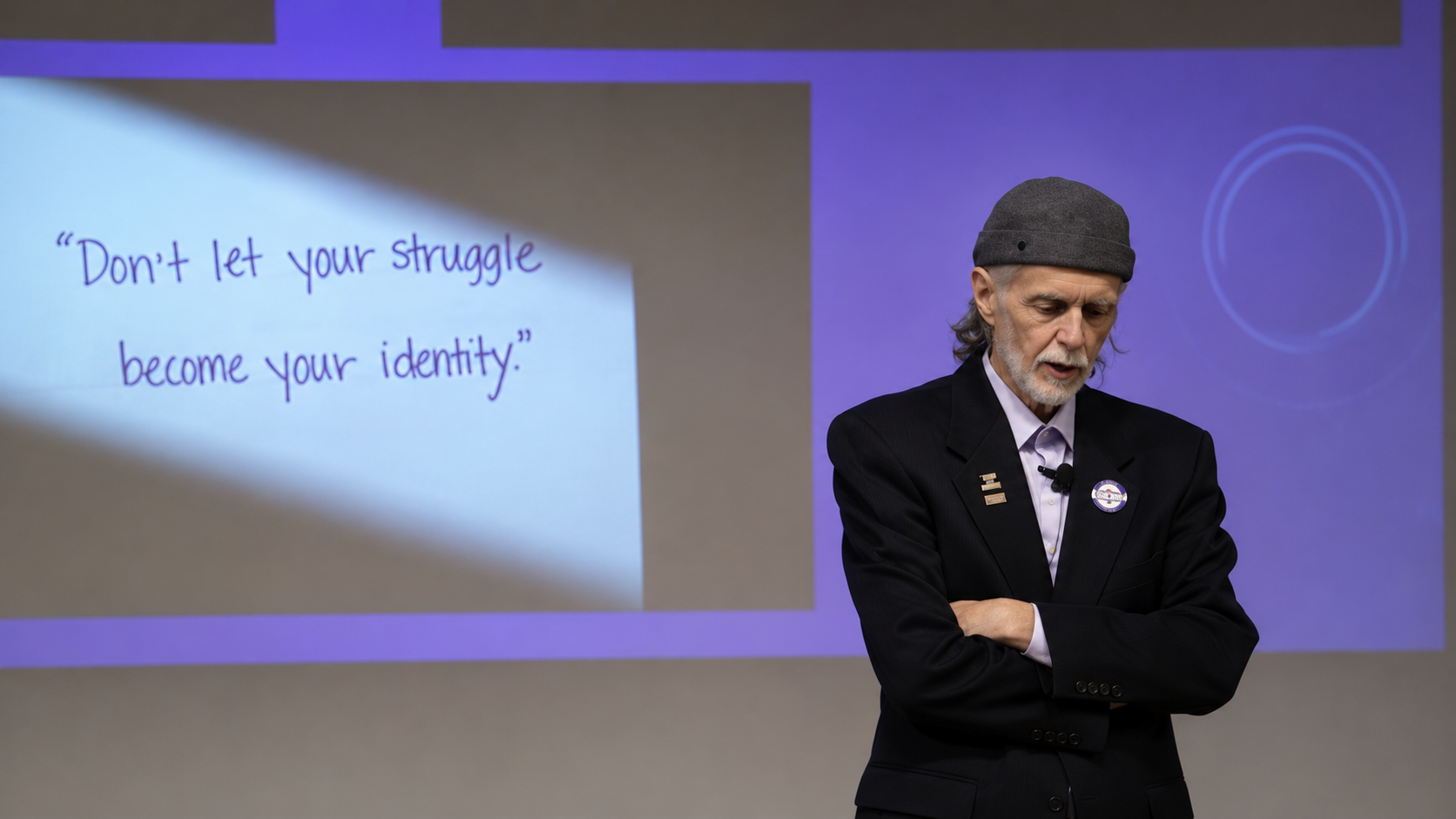
I Am More Than My Mugshot
From Incarceration to Recovery, Forgiveness, and Freedom
By Timothy G Cameron | Motivational Healer
Change Begins With Honesty.
There was a time when I believed the worst things I had done in my life would define me forever.
I had spent approximately thirteen and a half years incarcerated, endured the consequences of alcoholism, embraced destructive beliefs, and carried a burden of guilt that nearly destroyed me.
Today, I understand something I couldn't comprehend in those dark years: The prison we construct in our own minds can be far more secure than any prison human beings build to keep us locked up.
I've known people behind prison walls who were more spiritually free than people walking the streets.
Freedom, I've discovered, is an inside job.
The Tragedy That Changed Everything
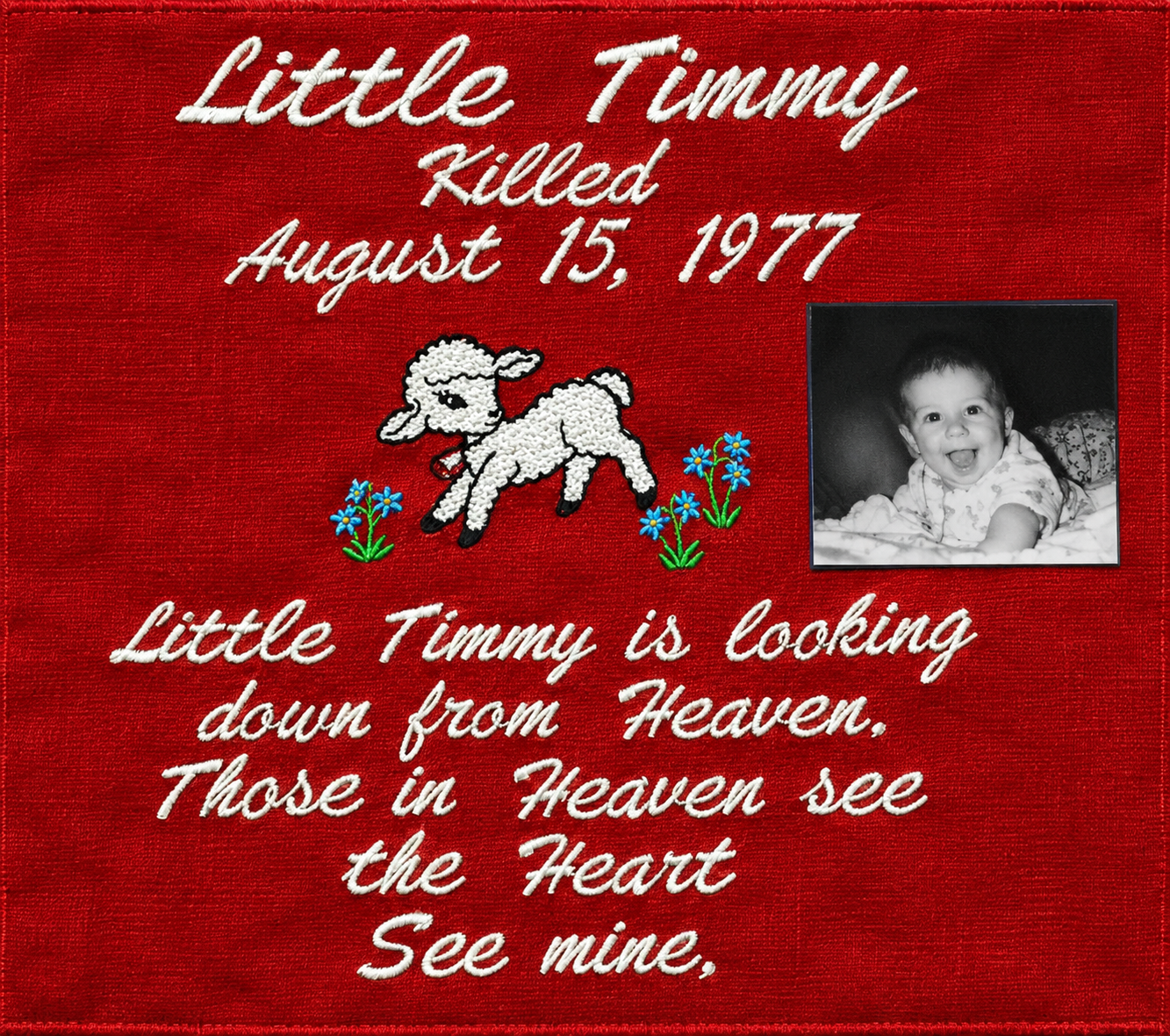
MADD memorial quilt honoring Little Timmy, whose life was lost on August 15, 1977. His memory remains a powerful reminder of the consequences of impaired driving and the importance of accountability, healing, and forgiveness.
On August 15, 1977, I was driving a stolen automobile in Marshall, Missouri. I had consumed approximately three and a half beers.
I wasn't falling-down drunk. I was alcohol-impaired.
And that was enough.
I struck a young mother, Sherrie, who was pushing her baby in a stroller. Her sister Susan managed to escape the approaching vehicle, but Sherrie was seriously injured.
Her little boy, Timothy—Little Timmy—was killed.
He had the same first name as me.
There is a sound I heard that day, as the stroller passed beneath the automobile, that I will never forget.
Even years later, after I had become sober, certain sounds could transport me instantly back to that terrible moment.
I couldn't change what happened. I couldn't bring Little Timmy back.
I could, however, change what happened next in my life.
Unfortunately, it would take many years, considerable suffering, and the grace of a loving God before I began to understand what that meant.
Doing Life on the Installment Plan
For years, I lived in a destructive cycle of alcoholism, incarceration, resentment, and self-loathing.
I have a rather peculiar allergy to alcohol.
Whenever I drink, I break out in handcuffs!
It's an old joke in recovery circles, but in my case, it was practically a medical diagnosis.
I served time at the Missouri State Penitentiary in Jefferson City, once known as the bloodiest 47 acres in America.
Later, I served another prison term in Minnesota.
During those years, I embraced racial hatred and became involved with extremist beliefs that poisoned my thinking and damaged my humanity.
I was angry at the world, but beneath that anger was a person who didn't know how to love himself.
A prison psychiatrist once wrote in my institutional file that it was a foregone conclusion I would spend the rest of my life in prison.
Fortunately, the psychiatrist didn't have the final word.
Neither did the prison system.
Neither did my past.
And neither did I.
The Beginning of a Different Life
I was released from prison on August 17, 1990.
I drank the following day.
My sobriety date is August 19, 1990.
That date marks the beginning of a profound alteration in my reaction to life.
Notice I didn't say my life suddenly became wonderful.
It didn't.
I still had the same memories, the same criminal history, the same emotional wounds, and the same terrible knowledge that a child was dead because of my actions.
But something had changed.
I had become willing to begin changing my thinking.
Recovery required more than removing alcohol from my life. It required looking inward, examining my resentments, acknowledging my wrongs, and becoming willing to surrender the destructive patterns that had governed my existence.
And I had a great deal of inner housekeeping to do.
The Woman Who Taught Me Forgiveness
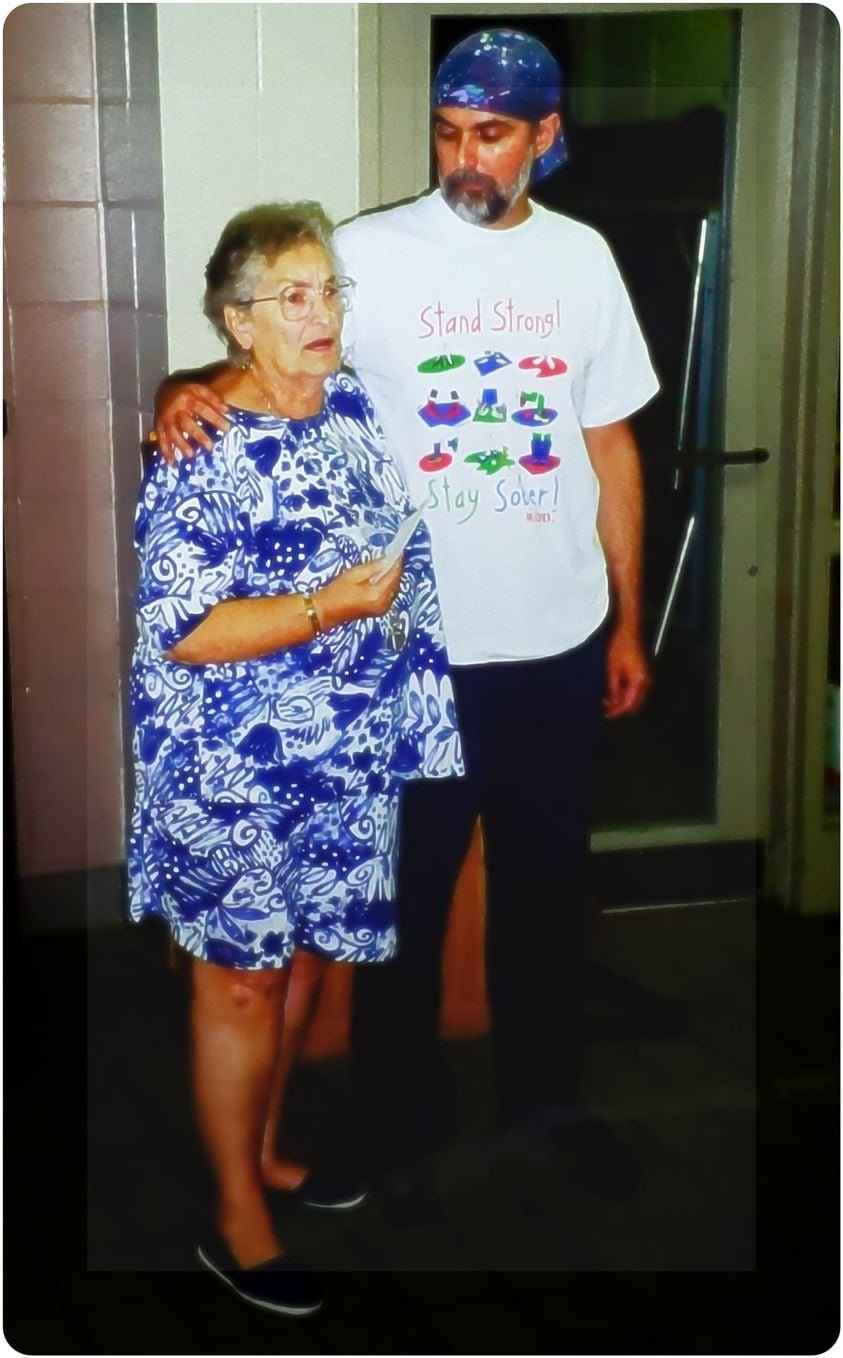
Mary Jo Robinson and me at Christ Recovery Center (CRC). Her extraordinary example of love and forgiveness changed the direction of my life and inspired me to begin sharing my story with MADD audiences.
About ninety days into sobriety, I attended a recovery gathering in Stillwater, Minnesota.
A woman named Mary Jo Robinson was scheduled to speak.
Underneath her name, the announcement identified her as a MADD member.
My immediate reaction was negative.
What idiot would invite someone from Mothers Against Drunk Driving to speak at a recovery celebration?
I had already decided what kind of person she was and what she would say.
There was only one problem.
I had never met her.
I was experiencing what we sometimes call contempt prior to investigation.
Otherwise known as prejudice.
When Mary Jo introduced herself, I discovered that she was also a recovering alcoholic with many years of sobriety.
Then she told a story that changed the direction of my life.
Her son, Mark, had been killed by an alcohol-impaired driver.
At the sentencing hearing, Mary Jo approached the young man responsible for her son's death. He couldn't bring himself to look into her eyes.
She gently raised his chin and asked him to look at her.
Then she said words I never expected to hear from a grieving mother:
"I want you to know that I love you, and I forgive you for killing my son."
The young man broke down crying.
Mary Jo held him in her arms and repeated those words of love and forgiveness.
Imagine that.
She had every reason to be angry. She had suffered an unimaginable loss. Yet she chose to respond from a place deeper than the offense committed against her.
She later explained that she couldn't simply talk about love and forgiveness. When life became difficult, she had to live those principles.
She had to walk the walk.
Her story opened something in my heart.
Afterward, I approached her and confessed something I had been reluctant to tell anyone.
I had driven under the influence and killed someone's child.
Instead of rejecting me, Mary Jo invited me to become involved with MADD.
I resisted.
I wasn't a public speaker. I didn't want to stand before people and reveal the worst thing I had ever done.
But she asked me a question I couldn't escape.
What if sharing my story prevented someone else from doing what I had done?
What if one person heard my experience and decided never again to drive under the influence?
Who was I to deny that person the opportunity?
Eventually, I began speaking.
And my life took a direction I never could have imagined.
Learning to Love the Man in the Mirror
Speaking about Little Timmy's death was extraordinarily painful.
Although people often expressed appreciation after my presentations, I would sometimes leave feeling overwhelmed by guilt and shame.
There were nights when I struggled with thoughts of ending my own life.
I wanted people to understand how sorry I was.
But punishing myself couldn't undo what had happened.
When I finally told Mary Jo what I was experiencing, she recognized how deeply I hated myself.
She gave me an assignment.
Every morning, before doing anything else, I was to stand in front of a mirror, look directly into my own eyes, and say:
"Timothy, I love you."
I thought it sounded ridiculous.
But I respected Mary Jo, so I agreed.
The first attempts were miserable.
I would say the words and immediately begin attacking myself with accusations.
How could I love someone who had killed a child?
How could I love someone who had spent so many years in prison?
How could I love someone who had been abused, who carried so much shame, who felt so thoroughly damaged?
Then one morning, I realized something.
I would never speak to another human being the way I was speaking to myself.
Yet I was doing it to myself every day.
So I continued the exercise.
For approximately eight years.
And then one morning, something extraordinary happened.
I looked into the mirror, said those familiar words, and realized that I meant them.
For the first time, I could look at myself without seeing only the ex-convict, the abused child, the alcoholic, or the man responsible for a terrible tragedy.
I saw a human being.
A human being worthy of love.
I experienced a sense of peace unlike anything I had known before.
And something else happened.
The suicidal thoughts that followed my speaking engagements disappeared.
I had finally begun to understand that loving myself was not an excuse for what I had done. It was necessary if I was going to become someone who no longer lived destructively.
An Unexpected (MIRACULOUS) Friendship
Perhaps one of the most remarkable developments in my life concerns Little Timmy's mother, Sherrie.
For many years, she wanted nothing to do with me.
I understood.
There was no apology, no explanation, no amount of service work that could bring her son back.
I could never demand her forgiveness.
But many years into my sobriety, something unexpected happened.
Sherrie contacted MADD because she wanted to speak with me.
Her own daughter had been involved in an alcohol-related automobile crash that injured someone.
Suddenly, Sherrie saw the tragedy of impaired driving from another perspective.
She began wondering about the young man who had killed her son so many years earlier.
Did Timothy have a mother?
Did someone love him?
What kind of life had he lived?
In time, we began communicating.
And we became friends.
Then one day, Sherrie told me something that I never thought I would hear.
““I love you, and I forgive you.”
Words I never imagined hearing from the mother of the child whose life I had taken.”
Eventually, she even described me as one of the best things that had happened in her life.
How does a mother arrive at such a place after losing her child?
I cannot pretend to comprehend the full depth of her journey.
But I have witnessed something extraordinary.
The transformative power of forgiveness.
Today, she shares what she calls our story.
Not merely her story.
Not merely mine.
Ours.
That is a miracle I could never have manufactured.
More Than Our Worst Mistakes
Over the years, I've worked alongside people whose loved ones were killed or seriously injured by impaired drivers.
Some initially wanted nothing to do with me.
I understood that, too.
But through years of service, conversations, and shared experiences, relationships developed that once seemed impossible.
People who might once have seen only an offender came to recognize a fellow human being.
And I learned to see beyond the labels I had placed upon myself.
I am more than my mugshot.
And so are you.
You are more than your worst mistake.
You are more than the terrible things that have happened to you.
You are more than the opinions other people have formed about you.
I am not suggesting that accountability should disappear or that the consequences of our actions should be ignored.
Quite the opposite.
Change begins with honesty.
But accountability and restoration need not be enemies.
A person can acknowledge the full weight of wrongdoing while also becoming someone who contributes meaningfully to the world.
Where there is justice, let there also be restoration and forgiveness.
The Solution Is Love

Love is an action program. The ripples don't happen by accident.
For years, I've shared a simple message with audiences attending impaired-driving victim impact panels.
If you want to stop drunk driving, consciously fall in love with yourself and others.
Why?
Because if you love someone, you don't want to hurt them.
And if you love yourself, you don't want to hurt yourself.
Of course, there's a paradox.
People who genuinely love their families can still make terrible decisions while impaired.
Alcohol can profoundly distort judgment, awareness, and behavior.
That's why love must be accompanied by conscious action.
For an alcoholic like me, that means keeping alcohol out of my life.
It also means becoming aware of my resentments, prejudices, fears, and destructive thinking before they lead me into harmful behavior.
Love isn't merely something we feel.
It's something we practice.
And service is one of its most powerful expressions.
A Simple Experiment in Love
“When Love as both Verb & Noun are balanced as One, Action and Intuition are Honorable.”
— The Incomplete Skeptic
Near the conclusion of my presentation at Hazelden, I offered the audience an assignment.
I invite you to try it, too.
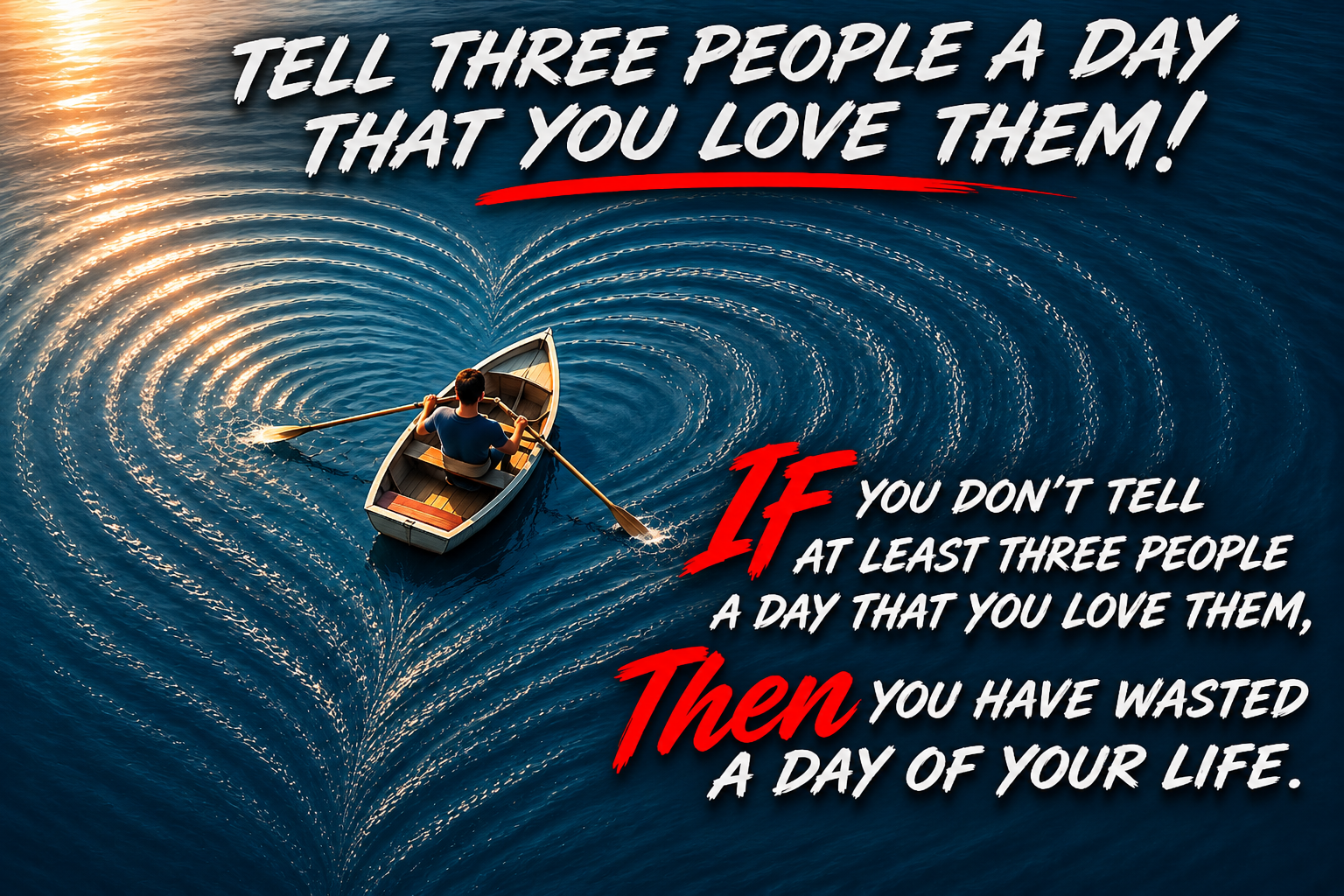
For one year, tell three people every day that you love them.
And don't always choose the easy ones.
Tell someone who doesn't think like you.
Someone who doesn't share your political opinions.
Someone who looks different from you.
Someone you might ordinarily avoid.
Perhaps the person who most needs to hear those words is the one staring back at you from the bathroom mirror.
I once encountered a woman in a wheelchair while walking through my neighborhood.
I felt an overwhelming inner prompting to tell her that she was loved.
Frankly, I was frightened.
I didn't know her. I wondered how she would react.
But eventually, I approached and asked whether anyone had told her that day that she was loved.
She said no.
So I told her.
Tears welled up in her eyes.
I don't know what burdens that woman carried. I don't know how long it had been since someone expressed love toward her.
But I know something changed in that moment.
Perhaps for both of us.
The Freedom to Become
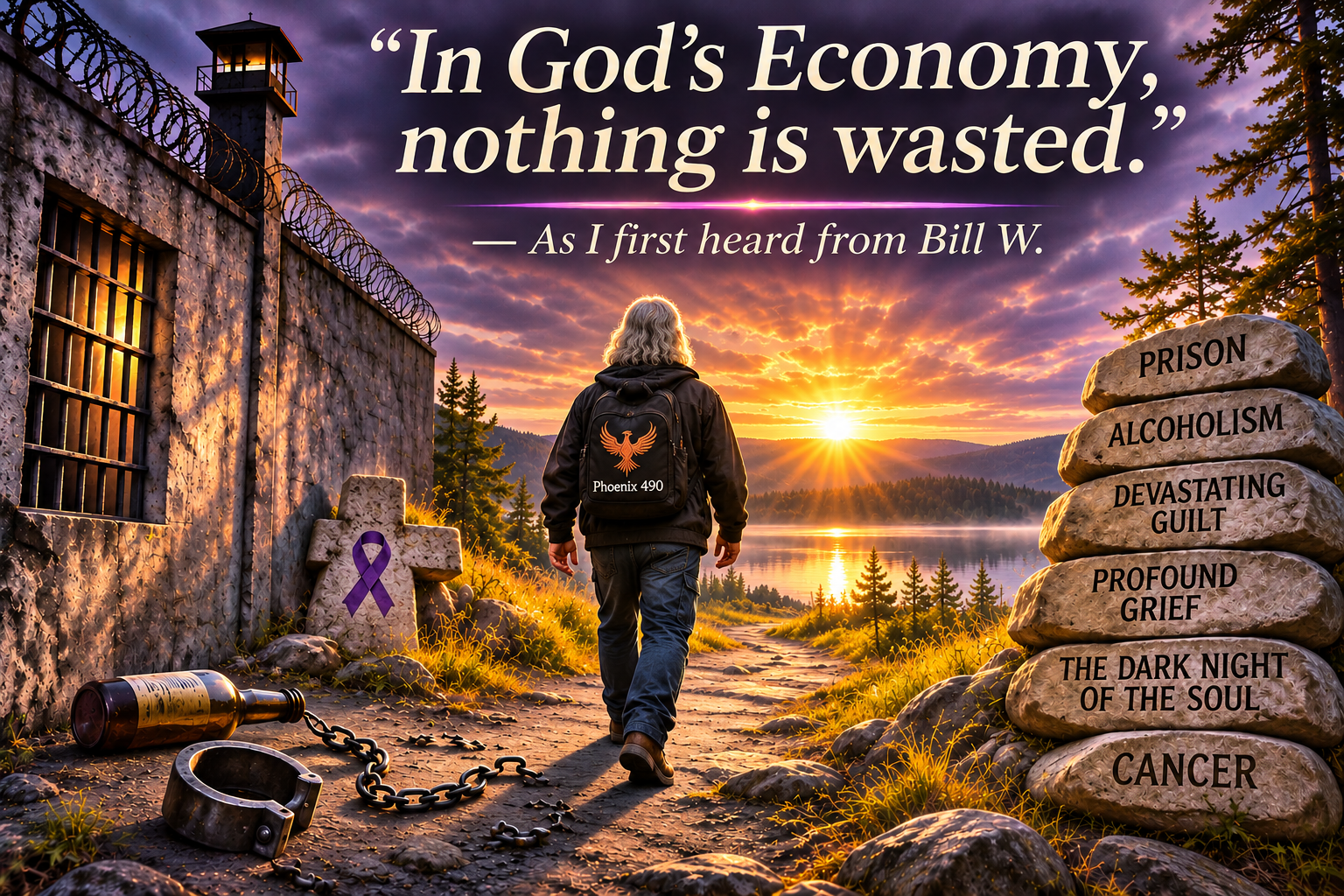
I have survived prison, alcoholism, devastating guilt, profound grief, and cancer.
I've experienced the consequences of destructive choices and the astonishing grace of forgiveness.
I am still learning.
I still have difficult days.
Sometimes pain reveals attitudes in me that I thought I had long ago surrendered.
Apparently, God isn't finished with me yet.
And that's perfectly all right.
Recovery isn't about becoming flawless.
It's about becoming willing.
Willing to grow.
Willing to forgive.
Willing to serve.
Willing to love.
So here's something I'd like you to remember:
Never believe a story about yourself that denies your capacity to change.
Your past may explain how you arrived where you are.
It doesn't have to determine where you go next.
I spent years believing I was imprisoned by what I had done.
Today, I understand that the door to a different life was waiting for me to open it.
And the key was not punishment.
It was honesty, accountability, forgiveness, and love.
When I give it up, God shows up.
And that, my friends, is how an incomplete skeptic continues discovering miracles.
— Timothy G Cameron
Motivational Healer | Recovery Speaker | Author of The Little Book of Miracles
The Incomplete Skeptic
Watch My Hazelden Presentation
From Incarceration to Recovery, Forgiveness & Freedom